Free Shipping
over $260.00

"Arnica doesn’t just soothe bruises—it helps us support the body’s natural repair process."
Arnica infused oil is derived from the flowers of Arnica montana, a plant in the sunflower family native to Europe and parts of North America. Unlike essential oils, which are steam-distilled, arnica infused oil is made by steeping arnica flowers in a carrier oil (typically sunflower, olive, or grapeseed) over a period of time, allowing the plant’s active compounds to infuse into the base.
The result is a golden-hued, topical oil that has earned its place in the treatment rooms of massage therapists and bodyworkers for its ability to support tissue recovery, reduce inflammation, and manage localized discomfort.
For physical and manual therapists, arnica’s most appreciated qualities are its anti-inflammatory, analgesic, and circulation-enhancing properties.
One of arnica oil’s most common uses is reducing post-treatment tenderness, especially in clients who are new to deep tissue or structural bodywork. When applied after intensive manual therapy, arnica may reduce:
Topical arnica has been shown in several studies to have an analgesic effect comparable to low doses of NSAIDs, particularly for osteoarthritic joints or soft tissue injuries. While not a substitute for medical pain management, it can be a complementary tool for:
Therapists often pair arnica with other circulation-boosting oils or warming agents during treatment. This combination may help:
For therapeutic massage, arnica infused oil is generally preferred over essential oil formulations due to its milder concentration and lower risk of skin sensitivity. Essential oil versions may contain concentrated helenalin—a potent compound with anti-inflammatory effects, but also a skin irritant in high doses.
Look for products that use cold-pressed or solar-infused techniques, with minimal additives or synthetic fragrances.
Many therapists find success combining arnica with complementary botanicals for targeted effects:
Arnica infused oil isn’t just a folk remedy—it’s a clinically relevant tool that supports soft tissue healing, inflammation management, and recovery. When used appropriately, it becomes a powerful ally in your treatment protocol, offering both immediate comfort and long-term support for your clients.
Whether you’re integrating it into a massage blend or using it post-treatment as a finishing oil, arnica adds value to the therapeutic process—and your clients will feel the difference.
Professional Overview BodyBest Holly Massage Oil is a clinic-grade massage oil formulated specifically for Canadian RMTs, physiotherapists, and spa...
View full detailsProfessional Overview BodyBest Massage Lotion is a clinic-grade, Canadian-made massage lotion formulated specifically for RMTs, physiotherapists, a...
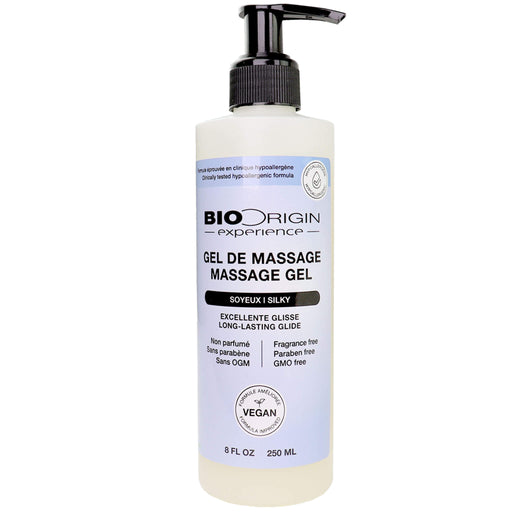
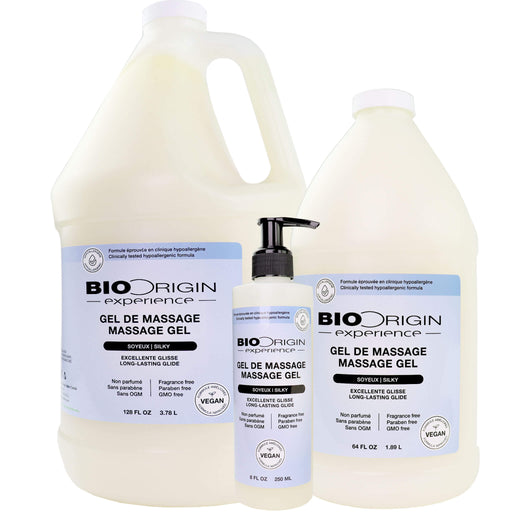
View full detailsBenefits of BioOrigin Silky Massage Gel BioOrigin Silky Massage Gel is light and airy in texture with an enduring glide. Contains 80% natural oils ...
View full detailsBenefect Botanical Disinfectant and Fungicide – Professional Grade Benefect Botanical Disinfectant and Fungicide delivers modern, plant-based disin...
View full detailsProfessional Overview Biofreeze® Professional Gel – One Gallon Pump Bottle is a clinical-grade cooling therapy gel trusted by Canadian physiotherap...
View full details


{"one"=>"Select 2 or 3 items to compare", "other"=>"{{ count }} of 3 items selected"}