Free Shipping
over $260.00

Today, Swedish massage is one of the most widely taught and requested massage styles in the Western world. Known for its long, gliding strokes, kneading, and gentle pressure, it’s often considered the foundation of modern therapeutic massage in North America. But where did the term “Swedish massage” actually come from—and what makes it distinct from modalities like Thai massage?
The term “Swedish massage” is a bit of a historical misnomer. The system of massage techniques commonly referred to as Swedish massage today is loosely attributed to Pehr Henrik Ling, a 19th-century Swedish physiologist and fencing instructor. Ling developed a system of physical education known as the Swedish Movement Cure, which included structured exercises and passive manipulations—some of which resembled massage techniques.
Although Per Henrik Ling is often credited with creating Swedish massage, his original system was more focused on gymnastics and physical rehabilitation than hands-on massage.
However, Ling’s method was primarily a system of medical gymnastics rather than what we would recognize as hands-on massage therapy. His system became well known throughout Europe and eventually made its way to the United States, where it was interpreted and expanded upon by physicians and bodyworkers.
The actual techniques of what we now call Swedish massage—effleurage (stroking), petrissage (kneading), friction, tapotement (percussion), and vibration—were more formally codified by Dutch practitioner Johan Georg Mezger in the late 19th century. Mezger used French terminology to describe the techniques and helped standardize them as therapeutic methods. Ironically, it was outside of Sweden that the practice was popularized under the name “Swedish massage.”
In the English-speaking world, especially in North America, the term “Swedish massage” became a convenient label to distinguish this relatively gentle, oil-based, table-based style of bodywork from other global practices. The name acknowledged its vague Scandinavian roots while serving as a contrast to more vigorous or traditional styles like Russian or Asian massage systems.
“Swedish massage” became the default term in North America to describe a standardized, Western approach to therapeutic touch.
By the 20th century, Swedish massage had become the standard taught in many Western massage schools, particularly in the U.S. and Canada, where licensure and certification often used Swedish massage techniques as a foundational curriculum.
While both Swedish and Thai massage aim to promote relaxation, improve circulation, and reduce muscular tension, the similarities largely end there. Here’s how they compare:
Thai massage is often described as “lazy man’s yoga,” while Swedish massage is more passive, with the client simply relaxing on the table.
Despite the name, Swedish massage as we know it is a Western blend of therapeutic techniques that evolved from both Swedish and Dutch contributions. Its enduring popularity lies in its gentle, accessible approach and its adaptability to a wide range of client needs. In contrast, Thai massage offers a more energetic, movement-based approach grounded in Eastern healing traditions.
Understanding these origins not only helps us appreciate the richness of massage history, but also allows us to make more informed choices about the types of bodywork we offer—or receive.
Professional Overview BodyBest Holly Massage Oil is a clinic-grade massage oil formulated specifically for Canadian RMTs, physiotherapists, and spa...
View full detailsProfessional Overview BodyBest Massage Lotion is a clinic-grade, Canadian-made massage lotion formulated specifically for RMTs, physiotherapists, a...
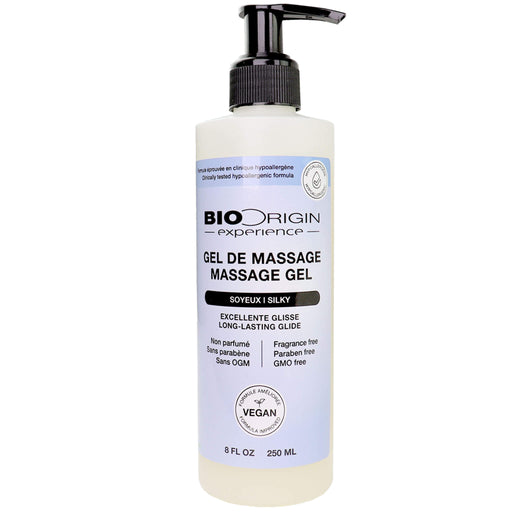
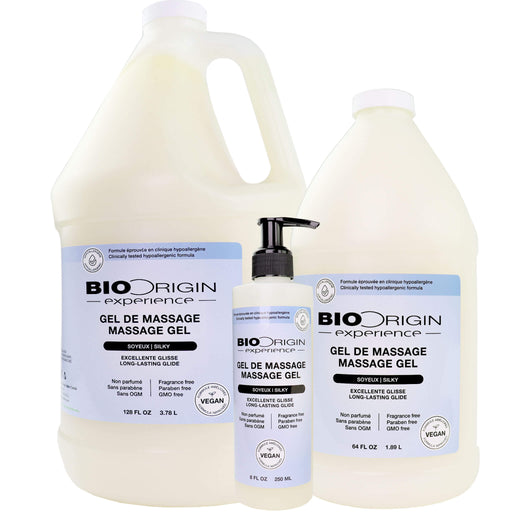
View full detailsBenefits of BioOrigin Silky Massage Gel BioOrigin Silky Massage Gel is light and airy in texture with an enduring glide. Contains 80% natural oils ...
View full detailsBenefect Botanical Disinfectant and Fungicide – Professional Grade Benefect Botanical Disinfectant and Fungicide delivers modern, plant-based disin...
View full detailsProfessional Overview Biofreeze® Professional Gel – One Gallon Pump Bottle is a clinical-grade cooling therapy gel trusted by Canadian physiotherap...
View full details


{"one"=>"Select 2 or 3 items to compare", "other"=>"{{ count }} of 3 items selected"}