Free Shipping
over $260.00

In sports rehabilitation, massage therapy is a key tool for physical therapists. It complements exercise, manual therapy, and neuromuscular re-education to speed recovery, restore mobility, and support performance.
Massage can be tailored to the stage of rehabilitation:
Massage is most effective alongside other interventions:
Collaboration between physiotherapists and massage therapists ensures targeted, coordinated care for faster recovery.
Case Example: A hamstring strain patient benefits from light massage during the acute phase, deeper work in subacute healing, and targeted techniques before returning to play—supporting safe, efficient recovery.
Massage therapy is a versatile, evidence-informed tool in sports rehabilitation. Integrated into a comprehensive plan, it accelerates recovery, restores function, and helps athletes return to peak performance safely.
Professional Overview BodyBest Holly Massage Oil is a clinic-grade massage oil formulated specifically for Canadian RMTs, physiotherapists, and spa...
View full detailsProfessional Overview BodyBest Massage Lotion is a clinic-grade, Canadian-made massage lotion formulated specifically for RMTs, physiotherapists, a...
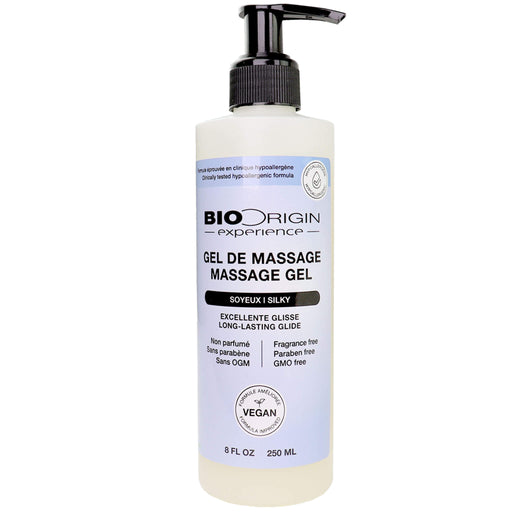
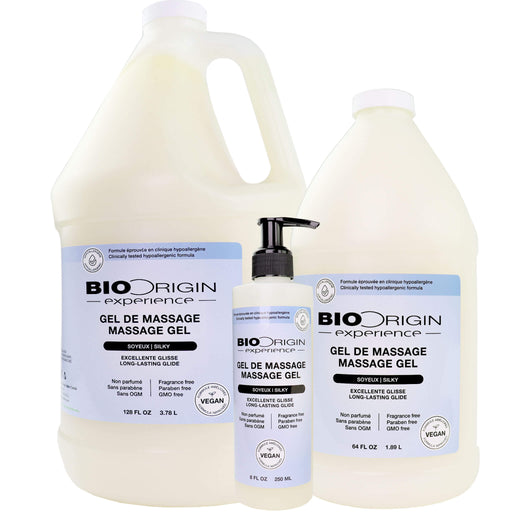
View full detailsBenefits of BioOrigin Silky Massage Gel BioOrigin Silky Massage Gel is light and airy in texture with an enduring glide. Contains 80% natural oils ...
View full detailsBenefect Botanical Disinfectant and Fungicide – Professional Grade Benefect Botanical Disinfectant and Fungicide delivers modern, plant-based disin...
View full detailsProfessional Overview Biofreeze® Professional Gel – One Gallon Pump Bottle is a clinical-grade cooling therapy gel trusted by Canadian physiotherap...
View full details


{"one"=>"Select 2 or 3 items to compare", "other"=>"{{ count }} of 3 items selected"}