Free Shipping
over $250.00

Contact dermatitis is one of the most common occupational skin conditions among massage therapists. It can cause significant discomfort and even limit the ability to work. Despite its prevalence, resources tailored to therapists are scarce. This article brings together key facts, common causes, and practical strategies for prevention and relief.
Looking for a safer option? Explore our BodyBest Massage Lotion
formulated without parabens or harsh chemicals.
Contact dermatitis is an inflammatory skin reaction triggered when the skin encounters an irritant or allergen. It is not contagious or life-threatening, but it can be painful and disruptive in a profession where hands are the primary tool of care.
Symptoms usually appear on the area of skin that was exposed — for massage therapists, most often the hands, wrists, and forearms.
The most common form. It occurs when substances or physical factors disrupt the skin barrier, leading to inflammation. Triggers may include:
A delayed immune reaction that appears hours to days after exposure. Repeated use of the same product can eventually trigger a rash. Common allergens include:
Also known as hives, this is an immediate reaction that usually fades within hours. Though less common, it can indicate a serious allergy.
Your hands deserve the same care you give your clients. Switch to skin-friendly massage lotions today.
Diagnosis is usually clinical, based on history and symptom patterns. If the cause isn’t obvious, referral for patch testing may help identify allergens.
Massage therapists can take several steps to reduce their risk:
If symptoms occur:
As massage therapists, your hands are your livelihood. Protecting them is essential not just for comfort but for your career longevity. Switching to professional-grade massage products and building skin care into your daily routine can significantly reduce the risk of contact dermatitis.
Your clients rely on your healing touch. It’s worth giving your skin the same level of care.
Key takeaway: Contact dermatitis is common but manageable. Awareness of product ingredients, proactive skin care, and professional consultation are the best tools to keep your hands healthy and your practice thriving.

Lowest Price per ml: $0.06
Current Price: $59.99
Price Per ml: $0.05
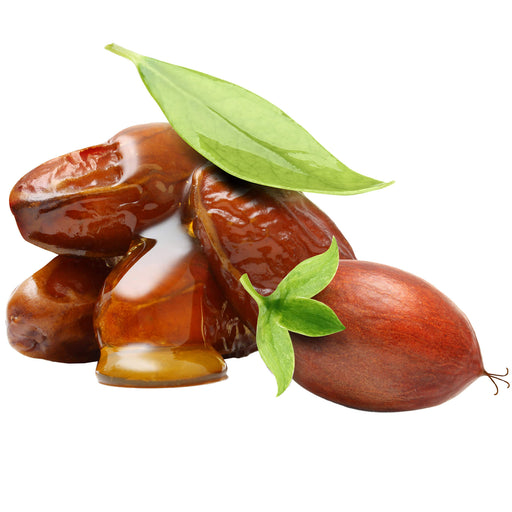
Uses and Benefits of Golden Jojoba Oil Golden Jojoba Oil is one of the best massage oils as it can be used for both scalp and body. It is deeply mo...
View full detailsLowest Price per ml: $0.06
Current Price: $59.99
Price Per ml: $0.05


Lowest Price per ml: $0.03
Current Price: $11.99
Price Per ml: $0.04
Uses and Benefits of Castor Oil Castor oil is a healing oil that helps soothe muscle aches. Rich in antioxidants, the oil prevents wrinkles, reliev...
View full detailsLowest Price per ml: $0.03
Current Price: $11.99
Price Per ml: $0.04
Lowest Price per ml: $0.02
Current Price: $29.99
Price Per ml: $0.02
Uses and Benefits of Grape seed Oil Grape seed oil has anti-inflammatory and antimicrobial properties. In addition, the oil is rich in omega chain ...
View full detailsLowest Price per ml: $0.02
Current Price: $29.99
Price Per ml: $0.02
Ultrasonic Aromatherapy Diffuser – Modern, Quiet, and Effective Enhance your space with the soothing benefits of aromatherapy using our Ultrasonic...
View full details
Lowest Price per ml: $22.00
Current Price: $24.99
Price Per ml: $24.99
Benefits of Body Best Cold Pressed Unfractionated Coconut Oil Body Best Cold Pressed Virgin Coconut Oil has wonderful healing properties for your...
View full detailsLowest Price per ml: $22.00
Current Price: $24.99
Price Per ml: $24.99


{"one"=>"Select 2 or 3 items to compare", "other"=>"{{ count }} of 3 items selected"}