Free Shipping
over $250.00

A professional guide for massage therapists, physiotherapists, and sports therapists.
Topical analgesics are among the most commonly used support products in massage therapy clinics. From relieving post-exercise soreness to helping therapists work through chronic muscle tension, these products provide targeted pain relief directly where it is needed.
Professional therapists often incorporate topical analgesics before, during, or after treatments to enhance comfort, reduce muscle sensitivity, and help clients maintain results between sessions.
While many topical analgesics are available in retail stores, massage therapists and healthcare professionals often prefer professional-grade formulations. These products are typically designed for clinical environments, offering higher menthol concentrations, faster absorption, and formats that integrate easily into therapeutic treatments. Professional brands such as CryoDerm, Biofreeze, and Medistik are widely used by massage therapists, physiotherapists, and athletic trainers because they are formulated specifically for professional treatment settings.
BodyBest carries a wide selection of professional pain relief products used by massage therapists and physiotherapists across Canada.
In this guide we explain:
You can browse the full range of professional options in the Topical Analgesics collection.
Topical analgesics are pain-relieving products applied directly to the skin. Unlike oral medications, they work locally by stimulating sensory receptors in the skin and underlying tissues.
These products commonly contain ingredients such as:
Massage therapists use topical analgesics to temporarily relieve:
Because these products act locally, they are especially useful for targeted problem areas like the neck, shoulders, lower back, hips, and knees.
How Do Topical Analgesics Work?
One of the most important distinctions between topical analgesics is whether they produce a cooling effect or a warming effect.
Cooling formulas are typically menthol-based and create a refreshing sensation that helps calm irritated tissues and temporarily reduce pain signals.
Massage therapists commonly choose cooling analgesics for:
These products are especially popular in athletic therapy and sports massage because they can soothe muscles quickly after intense activity.
Two of the most widely used professional cooling analgesics include:
Warming formulas increase circulation and create a gentle heating sensation that helps relax tight muscles and improve tissue flexibility.
Therapists often use warming analgesics for:
Heat sensations can help soften tissues and allow therapists to work deeper without causing discomfort.
A popular option among Canadian therapists is Medistik, a convenient stick applicator that delivers warming relief for targeted areas.
Topical analgesics come in several formats designed for different clinical situations. Massage therapists often keep multiple types available depending on the treatment style and client needs.
Gel is the most commonly used format in massage therapy clinics because it integrates easily into manual treatment.
Advantages of gel formulas include:
Products such as CryoDerm gel are widely used because they allow therapists to apply precise amounts while working directly into the muscle tissue.
Sprays provide a quick, hygienic way to apply analgesics without getting product on the therapist’s hands.
They are especially useful for:
Spray analgesics are commonly used in physiotherapy clinics and sports environments where speed and convenience are important.
Roll-on applicators provide targeted relief and are very popular for both clinic use and home care.
Benefits include:
Many therapists recommend Biofreeze roll-on products for client self-care after treatment.
Professional therapists use topical analgesics strategically throughout a treatment session depending on the client's condition and treatment goals.
Applying analgesics before deeper techniques can help prepare tissues and reduce pain sensitivity.
This approach is often used for:
During massage, therapists may apply small amounts to specific areas of tension or chronic tightness.
This can help:
Gel formats are typically preferred during treatment because they blend easily with massage techniques.
Many therapists apply topical analgesics after treatment to reinforce the benefits of manual therapy and provide longer-lasting relief.
Clients are often encouraged to continue using products like Biofreeze or Medistik at home to maintain results between appointments.
Massage therapists and physiotherapists prefer professional products that offer:
Trusted brands used in clinics across Canada include:
These products are widely used by massage therapists, chiropractors, athletic trainers, and physiotherapists to help clients manage pain and improve mobility.
Topical analgesics are a valuable tool for massage therapists looking to enhance treatment results and improve client comfort.
Understanding the differences between cooling and warming formulas, choosing the right product format, and applying them at the appropriate time during treatment can significantly improve outcomes for clients dealing with muscle pain and tension.
To explore professional products trusted by therapists, visit the Topical Analgesics collection at BodyBest.
Two of the most widely used cooling topical analgesics in massage therapy clinics are Biofreeze and CryoDerm. Both products use menthol to create a cooling sensation that helps temporarily relieve muscle and joint discomfort, but therapists may choose one over the other depending on their treatment style.
Biofreeze is widely recognized in sports medicine and physiotherapy clinics and is often recommended for home care because of its convenient roll-on and gel formats. Many therapists appreciate its fast cooling effect and client familiarity with the brand.
CryoDerm is frequently preferred by massage therapists during treatment sessions because its professional formula absorbs smoothly into the skin and works well during manual therapy techniques. The gel texture allows therapists to apply controlled amounts while targeting specific areas of muscular tension.
Ultimately, both products provide effective cooling relief, and many clinics keep both available for different situations. Therapists often use CryoDerm during treatments while recommending Biofreeze for clients to use between appointments.
Massage therapists commonly use professional-grade products such as CryoDerm, Biofreeze, and Medistik. These products provide cooling or warming sensations that help temporarily relieve muscle and joint pain.
Yes. Many therapists apply Biofreeze before or after treatment to help reduce soreness and improve comfort. It is especially popular in sports massage and physiotherapy clinics because of its strong cooling menthol effect.
Cooling analgesics typically contain menthol and help calm inflamed tissues. Warming formulas increase circulation and are often used for chronic muscle tightness and stiffness.
When used according to product instructions, professional topical analgesics are considered safe for therapeutic use. Massage therapists typically apply small amounts to targeted areas while avoiding broken skin or sensitive areas.
Lowest Price per ml: $0.04
Current Price: $12.95
Price Per ml: $0.12
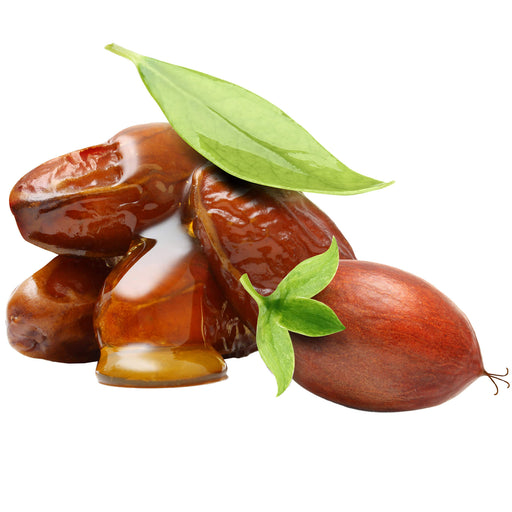
Golden Jojoba Carrier Oil – Professional Massage & Skin Therapy Golden Jojoba Oil is a premium, professional-grade carrier oil designed for cli...
View full detailsLowest Price per ml: $0.04
Current Price: $12.95
Price Per ml: $0.12


Lowest Price per ml: $0.02
Current Price: $9.95
Price Per ml: $0.09
Professional Castor Organic Carrier Oil – Extra Virgin for Therapeutic & Wellness Use Extra Virgin Castor Oil is a high-viscosity, professional...
View full detailsLowest Price per ml: $0.02
Current Price: $9.95
Price Per ml: $0.09
Lowest Price per ml: $0.02
Current Price: $7.99
Price Per ml: $0.07
Our Refined Grapeseed Carrier Oil – Cosmetic Grade is a lightweight, professional-grade carrier oil widely used by massage therapists, aesthetician...
View full detailsLowest Price per ml: $0.02
Current Price: $7.99
Price Per ml: $0.07


Lowest Price per ml: $0.03
Current Price: $9.95
Price Per ml: $0.09
Professional Cold-Pressed Apricot Kernel Oil for Massage & Body Treatments Cold-Pressed Apricot Kernel Oil – Cosmetic Gradef, Refined is a ligh...
View full detailsLowest Price per ml: $0.03
Current Price: $9.95
Price Per ml: $0.09


Lowest Price per ml: $0.02
Current Price: $9.95
Price Per ml: $0.09
Sweet Virgin Almond Oil (Cold-Pressed) — Professional Massage & Carrier Oil Cold-Pressed Sweet Virgin Almond Oil is a premium, professional-gra...
View full detailsLowest Price per ml: $0.02
Current Price: $9.95
Price Per ml: $0.09


{"one"=>"Select 2 or 3 items to compare", "other"=>"{{ count }} of 3 items selected"}