Free Shipping
over $260.00

You already know that therapeutic massage can improve your health, soothe stress, and ease muscle tension. But did you know it can also help you feel more relaxed, centred, and comfortable throughout your pregnancy?
Prenatal massage is a popular topic among expecting parents. Questions about safety often arise: when is it safe to begin, and what benefits can massage bring during pregnancy?
Modern medical research shows that prenatal massage is not only safe when performed by trained professionals, but it also provides significant physical and emotional benefits for both mother and baby.
Pregnancy triggers significant hormonal changes, including spikes in estrogen and progesterone, along with shifts in cortisol, norepinephrine, dopamine, and serotonin. These changes can contribute to stress, mood fluctuations, and discomfort.
Studies indicate that routine prenatal massage—such as bi-weekly sessions over several weeks—can help reduce stress hormones and elevate dopamine and serotonin levels, improving mood and overall pregnancy well-being. This hormonal regulation may also support a smoother delivery with fewer complications (Mueller et al., 2021).
Pregnancy places strain on muscles, joints, and connective tissues, leading to common complaints such as:
Lower back and leg pain can often result from sciatica, caused by pressure on the sciatic nerve. Sciatic discomfort typically arises in late pregnancy when the growing uterus affects pelvic and lumbar structures. Other contributing factors may include:
Prenatal massage performed by a trained RMT can help relieve sciatic nerve pressure, relax surrounding muscles, and improve range of motion (Field, 2010).
Edema, or swelling, is common in later pregnancy due to increased uterine weight pressing on blood vessels. Massage can stimulate fluid movement and promote healthy circulation, reducing swelling in the ankles, legs, and feet, and supporting soft tissue oxygenation and nutrient delivery (Oportus et al., 2013).
Prenatal massage benefits the baby indirectly by improving maternal circulation, tissue health, and stress reduction. The gentle touch and relaxation can foster a calm, supportive environment for fetal development. Additionally, regular massage sessions may help strengthen maternal-fetal bonding before birth (QIMassage, 2022).
Before beginning prenatal massage, consult your prenatal healthcare provider, particularly if you have:
Choose a Registered Massage Therapist certified in prenatal massage. Specialized RMTs understand pregnancy physiology and can safely perform side-lying positioning, use appropriate bolsters, and recognize signs of potential risk like blood clots or varicose veins.
Specialized clinic equipment such as the EarthLite Pregnancy Bolster exists to help provide comfort to pregnant patients. Adding a maternity massage table to the clinic, along with specialized training, can expand treatment options.
Side-lying is typically the safest position for prenatal massage, though some clinics may have specially designed pregnancy massage tables. Avoid prone positioning unless the table is fully supportive and properly aligned. Ask your RMT about their table setup in advance to ensure comfort and safety.
Prenatal massage can be safely performed at any stage of pregnancy with the approval of a healthcare provider. Many practitioners suggest waiting until after the first trimester to reduce risk during the highest-risk period for miscarriage. Sessions generally last 60 minutes, with frequency tailored to the mother’s needs and health status.
When administered safely, prenatal massage offers numerous benefits for both mother and baby, including pain relief, improved circulation, hormonal balance, stress reduction, and enhanced emotional well-being. By selecting a certified RMT and following safety guidelines, you can enjoy a relaxing, supportive experience throughout your pregnancy.
For more detailed information on prenatal massage benefits and techniques, explore professional resources such as the American Massage Therapy Association.
*This article is intended for informational purposes and does not constitute medical advice. Always consult a healthcare provider for individualized guidance.
Professional Overview BodyBest Holly Massage Oil is a clinic-grade massage oil formulated specifically for Canadian RMTs, physiotherapists, and spa...
View full detailsProfessional Overview BodyBest Massage Lotion is a clinic-grade, Canadian-made massage lotion formulated specifically for RMTs, physiotherapists, a...
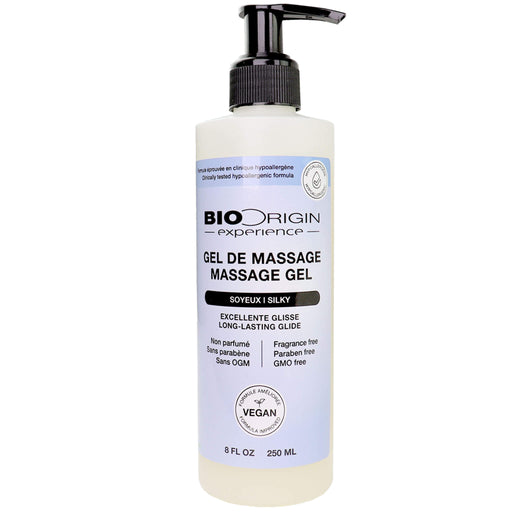
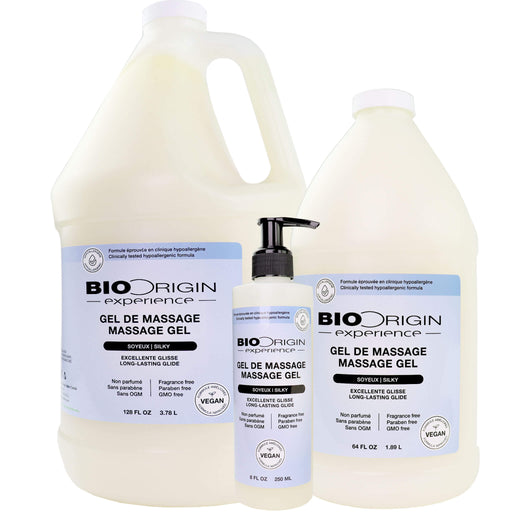
View full detailsBenefits of BioOrigin Silky Massage Gel BioOrigin Silky Massage Gel is light and airy in texture with an enduring glide. Contains 80% natural oils ...
View full detailsBenefect Botanical Disinfectant and Fungicide – Professional Grade Benefect Botanical Disinfectant and Fungicide delivers modern, plant-based disin...
View full detailsProfessional Overview Biofreeze® Professional Gel – One Gallon Pump Bottle is a clinical-grade cooling therapy gel trusted by Canadian physiotherap...
View full details


{"one"=>"Select 2 or 3 items to compare", "other"=>"{{ count }} of 3 items selected"}